Why Player Count Matters in OpenFront
OpenFront is built around crowded real-time strategy matches, so player activity directly affects the kind of game you get. A healthy OpenFront player count means fuller lobbies, more choices between maps and modes, and less waiting before a match begins.
It also changes the match itself. A lightly populated lobby can become a slower contest over expansion routes, while a 100-plus-player free-for-all demands fast diplomacy, safe early growth, and constant awareness of nearby rivals.
Steam numbers are useful for measuring the PC release, but they are not a complete count of everyone playing OpenFront. The web version, different regions, private games, and players already inside matches may be represented differently depending on the tracker.
| Steam population snapshot | Players |
|---|---|
| Players online at the recorded check | 708 |
| 24-hour concurrent peak | 1,020 |
| All-time concurrent peak | 1,781 |
| Date of all-time peak | September 20, 2026 |
| Steam release date | September 17, 2026 |
The Steam release launched recently, which makes its all-time peak especially important context rather than a permanent benchmark. Concurrent population naturally rises and falls with time zones, updates, weekends, streams, and the novelty of a new release.
For a player deciding whether to queue, the practical question is simple: can you find an active game with enough people for the experience you want? With hundreds of Steam players online in the recorded snapshot and a game designed for large multiplayer battles, active sessions should be available, though lobby size can still vary sharply by mode and time of day.
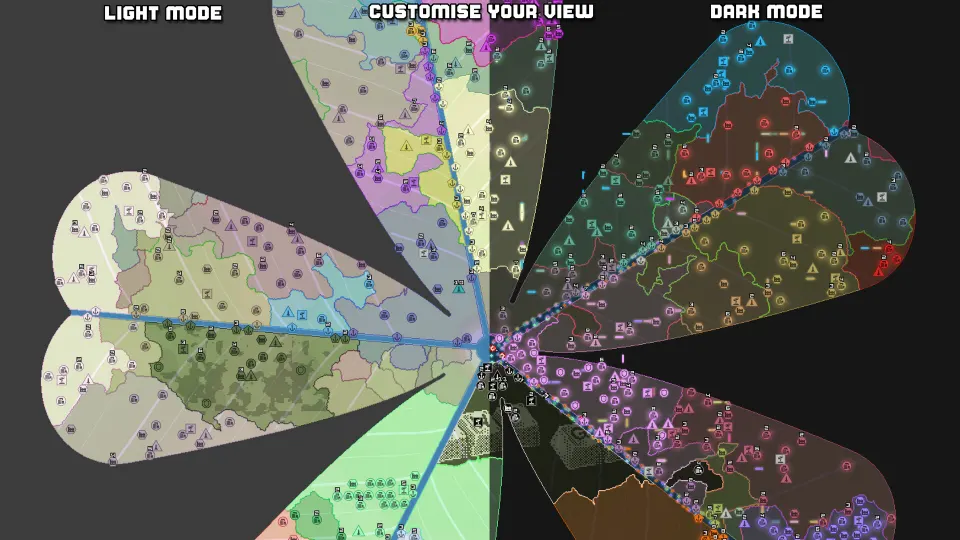
Reading OpenFront Population Numbers Correctly
“Player count” can describe several different measurements. Mixing them up can make a game look either much smaller or much larger than it really is.
Concurrent players are the most useful number when you want to play immediately. They show how many people are using a platform at one moment. Daily unique players measure how many distinct people played during a day, while ownership estimates attempt to approximate how many accounts own the game. Those are different questions with different answers.
| Metric | What it measures | Best use |
|---|---|---|
| Concurrent players | People playing at the same moment | Estimating current lobby availability |
| 24-hour peak | Highest simultaneous population in one day | Finding recent busy periods |
| All-time peak | Highest recorded simultaneous population | Understanding launch or event momentum |
| Estimated owners | Accounts estimated to own the Steam version | Gauging broader reach, not active lobbies |
| Unique daily players | Distinct people playing during a day | Measuring activity across the web game |
SteamDB reported approximately 55,000 to 58,000 estimated Steam owners across several third-party estimators. PlayTracker’s estimate was around 57,000 players, with an estimated active audience around 38,000, but both figures are estimates rather than official totals. Their uncertainty can be substantial, so they should not be treated as a live server population.
The most dependable way to interpret a number is to identify its platform and timestamp first. A Steam concurrent count only covers Steam. An OpenFront.io statistics site can reflect indexed web-game activity instead, and a speedrunning site only represents the small community submitting runs.
| Tracking location | Scope | What it cannot tell you |
|---|---|---|
| SteamDB | Steam concurrent population | Total web-version activity or every in-match lobby |
| PlayTracker | Estimated Steam ownership and activity | Exact official player totals |
| OpenFront.io stats sites | Indexed web-game matches and unique players | Complete Steam population |
| Speedrun leaderboards | Run-submitting speedrun community | Normal multiplayer population |
This distinction matters because OpenFront exists as a browser-based strategy experience as well as a Steam release. A low number in one community tool is not proof that the whole game is empty; it may simply measure a narrower activity type.
What Active Lobbies Feel Like
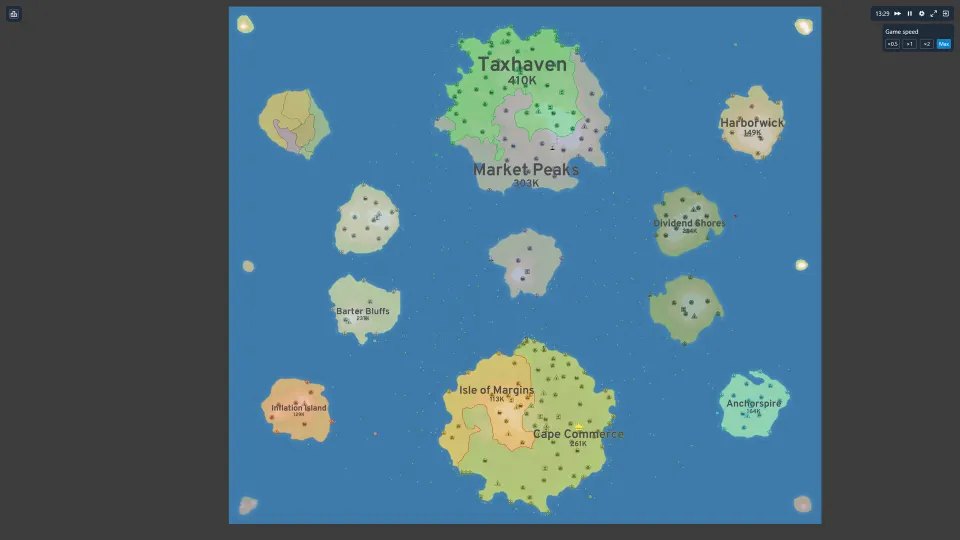
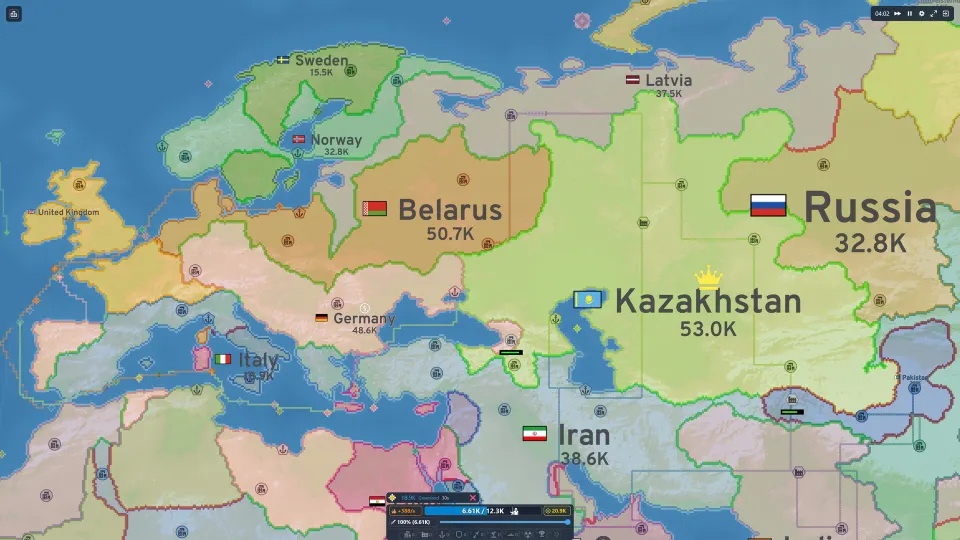
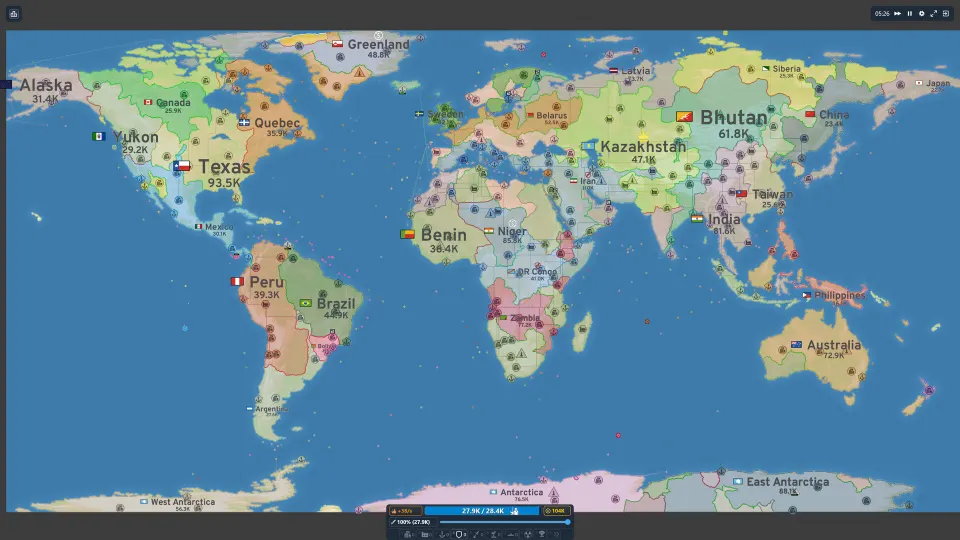
OpenFront can support unusually large strategy matches. Community gameplay videos show 100-player and 115-player free-for-all games, while players have also described sessions with 50 to 100 participants and occasional games near 200 players. Those examples are not guaranteed lobby caps, but they show why population affects the game’s pace so strongly.
In a large lobby, the first minutes are less about defeating a single opponent and more about making yourself difficult to eliminate. You need room to expand, access to cities and water routes, and enough diplomatic awareness to avoid becoming an easy early target.
A crowded match rewards a calm opening:
- Spawn away from the densest cluster when possible.
- Expand into unclaimed land before committing troops to a difficult war.
- Secure cities early because they improve economic and population growth.
- Use ports and boats to create alternate expansion paths.
- Offer alliances to nearby players when a border war benefits neither side.
- Keep enough troops visible to discourage opportunistic attacks.
| Lobby condition | Typical experience | Useful adjustment |
|---|---|---|
| Small lobby | More space, fewer immediate threats | Expand broadly and watch for long-term rivals |
| Medium lobby | Balanced expansion and diplomacy | Build cities, then choose selective targets |
| Large FFA lobby | Fast borders and frequent betrayals | Prioritize safe land, alliances, and mobility |
| Late-game crowded map | Strong economies and advanced weapons | Defend key infrastructure and avoid wasteful wars |
Large matches can be chaotic, but they are not automatically better for every player. New players may prefer a lower-density match where they can learn city placement, factories, naval movement, and diplomacy without being surrounded immediately. Veterans often enjoy larger games because every alliance and route becomes strategically meaningful.
Population also affects social quality. More players can create more interesting coalitions, but it can also increase the chance of uneven teams, players leaving early, or confusing diplomacy. Treat an alliance as a short-term agreement, not permanent protection.
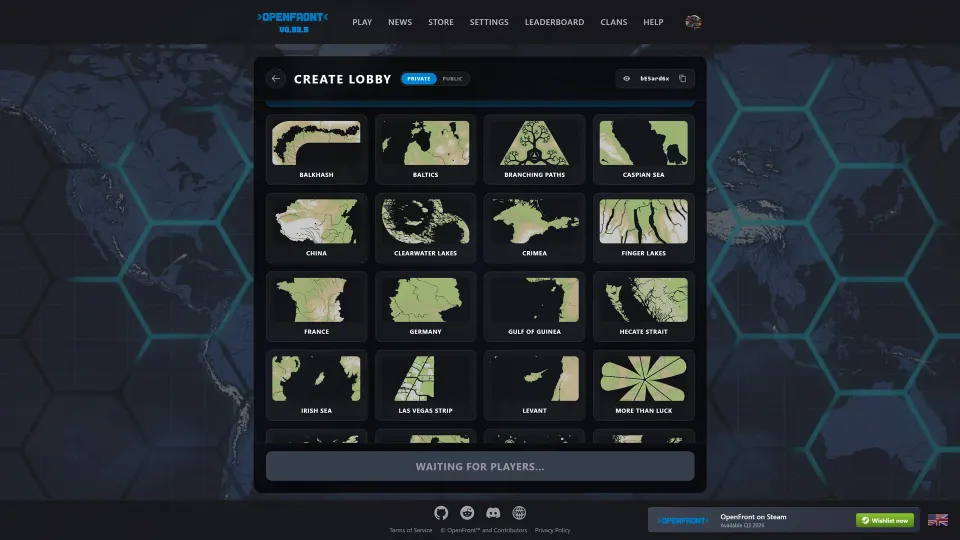
Finding Better Times and Better Matches
There is no single universal “best time” to play because the community is international. However, activity generally rises when more regions overlap during their evening hours and on weekends. If one lobby looks thin, checking again later can produce a completely different experience.
A community discussion described major variation by time of day: one player saw around 30 participants late at night in their local time, while morning sessions sometimes reached roughly 200. That is anecdotal rather than a global statistic, but it reflects a real pattern: timing matters more than any single population snapshot.
Use this quick routine before committing to a long game:
- Check the current Steam count if you are playing the Steam version.
- Open the game and inspect available lobbies, maps, and player totals.
- Decide whether you want a packed free-for-all or a more controlled match.
- If the available rooms do not suit you, try another region or return during a busier window.
- Recheck after updates, events, or creator videos, since they can temporarily increase activity.
The game’s own match browser is more useful than an external counter for your immediate decision. A global count of 700 players can still include people in long matches, menus, solo modes, or different regions. Conversely, an active lobby you can join right now matters more than a high historical peak.
Do not judge a match only by its opening headcount. A 100-player room may quickly lose players, while a smaller group of committed competitors can produce a longer and more tactical game. Look for a map and ruleset that match your preferred pace.
FAQ
What is the current OpenFront player count?
A recorded SteamDB snapshot showed 708 people playing OpenFront on Steam, with a 24-hour peak of 1,020. This changes constantly, so use a live tracker or the game’s lobby browser for the latest figure.
What is OpenFront’s all-time Steam peak?
OpenFront reached 1,781 concurrent Steam players on September 20, 2026. Since the Steam release arrived on September 17, 2026, this peak occurred during the game’s launch period.
Does the Steam count include OpenFront.io players?
No. Steam concurrent-player data measures the Steam release only. Browser activity and Steam activity may be tracked separately, so neither number alone represents every OpenFront player.
Are owner estimates the same as active players?
No. Owner estimates describe how many accounts may own the game, while active or concurrent player figures describe people playing during a recent period or at one moment. Owner estimates should not be used to predict immediate matchmaking speed.
Is there enough activity for large matches?
OpenFront has documented examples of 100-player and 115-player free-for-all matches, and community reports describe larger sessions at busy times. Actual availability depends on your region, mode, map, and time of day.